 Warehouse Security
The current cargo theft picture
Verisk CargoNet, which tracks supply chain crime across the United States and Canada, recorded 3,594 supply chain crime events in 2025, about the same as the year before. Estimated losses did not stay flat. They rose 60 percent to nearly $725 million, and the average value per theft reached $273,990. In the first quarter of 2026, CargoNet recorded 767 events and estimated losses of about $131.6 million. In the second quarter, incidents fell to 677 while estimated losses more than doubled from a year earlier, to $304.6 million.
The lesson for a warehouse manager is that thieves are choosing their targets. Fewer thefts, larger losses and more organized schemes mean the controls at your gate, dock and yard matter more, not less. Food and beverage products were the most stolen category in 2025, and metals theft rose 77 percent, so a facility that does not think of its inventory as high value may still be on someone's list.
Fictitious pickups and paperwork fraud at the gate
Not every theft involves a cut fence. CargoNet continues to report impersonation of legitimate carriers, business email compromise and shipment misdirection. In a fictitious pickup, a driver arrives with paperwork that looks correct and leaves with a real load. The defense is a gate process that never skips a step. A SecureOne officer checks driver identification, the carrier name, tractor and trailer numbers and the pickup or appointment number against your records on every outbound load. When something does not match, the officer holds the truck and calls your supervisor instead of guessing. Our warehouse access control page explains how that gate procedure is set up.
Yard and trailer theft
Loaded trailers staged overnight or over a weekend are an obvious target, especially in a yard with weak lighting and no one watching. The TAPA Facility Security Requirements call for camera coverage of the shipping and receiving yard that makes vehicles and people recognizable, adequate lighting in loading areas and a physical barrier of at least 6 feet around the yard, inspected at least weekly. Those requirements are a useful benchmark even if your site is not TAPA certified.
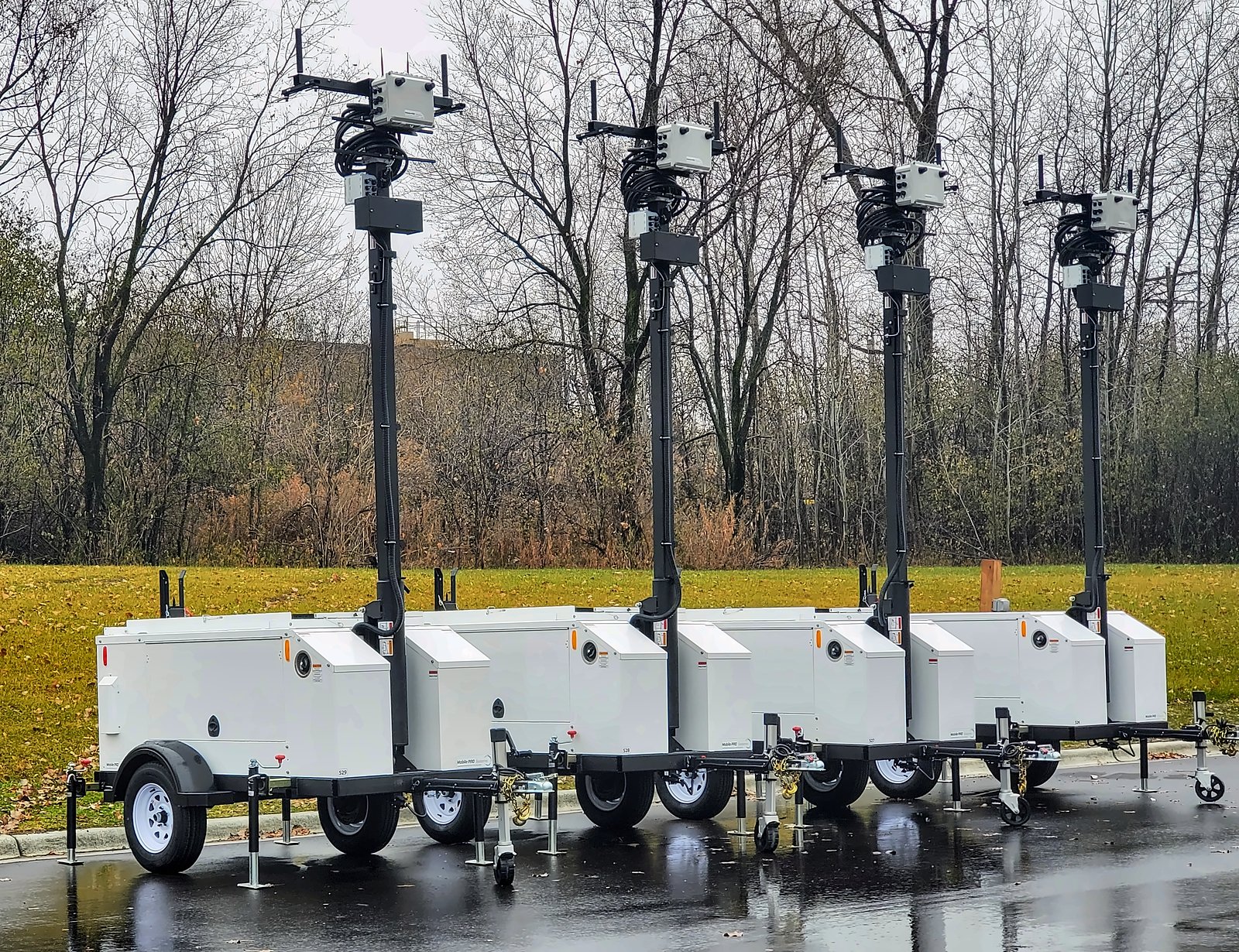
Officers and patrols are what make those physical controls work. A patrol at unpredictable times checks fence lines, gates, trailer seals and lighting, and logs anything out of place. Our mobile patrol services combine scheduled and random patrols with response to alarms and suspicious activity, so a yard that does not need an officer all night still gets a visible presence. Where permanent cameras are not practical, such as an overflow lot or a temporary trailer yard, a camera trailer can provide coverage quickly.
Internal theft and insider involvement
Insider involvement is one of the harder topics for a warehouse to talk about, but the numbers make it hard to ignore. TT Club and BSI found that 22 percent of global cargo theft incidents in their 2025 report involved the cooperation of insiders. Retail data points the same way. In the National Retail Federation's 2023 National Retail Security Survey, internal theft accounted for 29 percent of retail shrink, and 57 percent of respondents said they did not include supply chain losses in their shrink figures. That is retail data rather than warehouse data, but it suggests that losses inside the supply chain are often undercounted.
Good internal controls do not assume employees are dishonest. They remove opportunity and give honest employees a clear routine. Badge control at the employee entrance, a visitor procedure, rules that keep personal vehicles away from the dock, consistent exit checks where your policy allows them and separation of duties between receiving, shipping and inventory all make it harder for product to walk out. TT Club also points to regular stock checks and controls on who can access inventory systems as part of a secure warehouse.
Combining officers, patrols and cameras
No single control stops every kind of theft. TT Club makes the point that there is no one-size-fits-all answer, because the right mix depends on what is stored and how often it moves. A typical SecureOne warehouse program combines a few layers. An officer at the gate during operating hours handles driver verification and visitors, as described on our warehouse security guards page. Patrols cover the yard and perimeter overnight and on weekends. Cameras or camera trailers watch the areas no one can watch all the time. For high-value inventory or sites that have had serious incidents, armed security officers may be the right fit, and we will tell you plainly when unarmed coverage is enough.
SecureOne has provided industrial security services for warehouses, distribution centers, manufacturing plants and intermodal transportation hubs since 2002, and every program starts with a walk of your site with one of our managers.
Incident reporting and recovery support
When something does go missing, the first questions are always the same. Who was on the gate? Which truck arrived, and when? What was the seal number? Was the yard checked overnight? SecureOne officers log activity, photos and incidents in Vision InSites, our real-time reporting platform, as they happen. That record gives you a timeline you can share with your insurer, your customer or law enforcement. Patrol vehicles carry GPS Insight tracking and 360-degree in-car cameras, which add a record of where officers were and when. If something needs attention right away, your single point of contact, available 24/7, calls you directly.
For a closer look at the latest numbers and five controls you can put in place at the dock and yard, read our article on cargo theft prevention for warehouses.
Related services
Frequently asked questions
Where should a warehouse start with theft prevention?
Start at the gate and the dock. Verifying every pickup and recording seal numbers closes the openings that paperwork fraud and insider schemes depend on. Then look at the yard after hours: lighting, fence condition and whether anyone would notice a trailer leaving.
Do you offer camera trailers as well as officers?
Yes. SecureOne can combine officers and patrols with camera trailers, which are useful for yards, overflow lots and sites where permanent cameras are not practical. We will tell you plainly whether an officer, a patrol or a camera trailer is the better fit.
Can you help after a theft has already happened?
Yes. We can walk the site with you, look at how the loss happened and recommend changes to coverage and procedures. Short-term coverage is available while a longer program is set up.
Sources: Verisk CargoNet, 2025 theft trends, Verisk CargoNet, Q1 2026 theft trends, Verisk CargoNet, Q2 2026 theft trends, TAPA Facility Security Requirements 2023, TT Club and BSI, 2025 cargo theft report, National Retail Federation, National Retail Security Survey 2023, TT Club, Operating a Secure Warehouse.